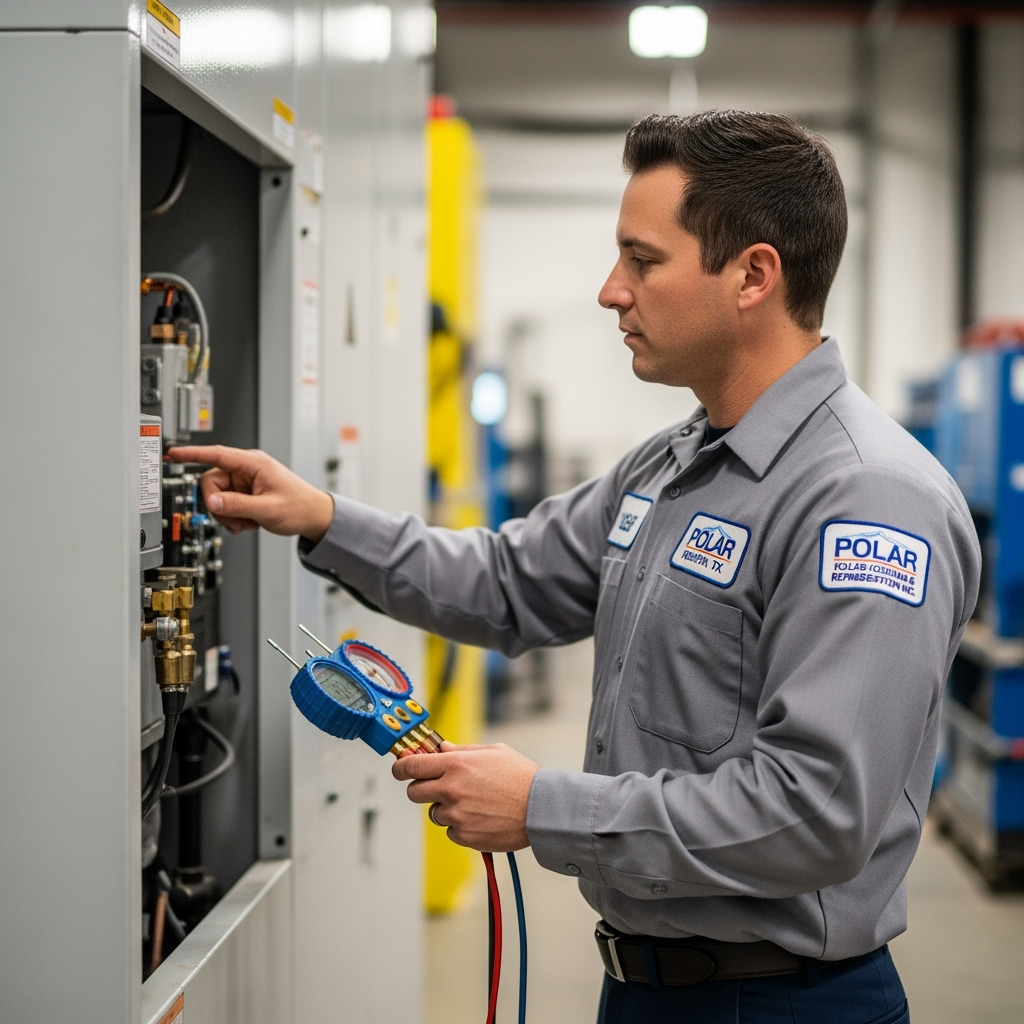
I’ve worked with restaurant owners, grocers, and property managers across Houston, and I can tell you that finding a trustworthy refrigeration company in Houston, TX, makes the difference between smooth operations and costly losses. With hotter summers and more extreme weather on the rise according to national climate data, maintaining reliable commercial refrigeration is nonnegotiable—the National Oceanic and Atmospheric Administration reports trends toward warmer seasons that directly increase cooling load for businesses in this area. When refrigeration fails, inventory, service, and reputation are all at risk, so I’ll walk you through what matters most when choosing a partner for your cooling systems.
Why local knowledge matters for your refrigeration system
Houston’s climate is unique: long, humid summers and abrupt storms create a heavy burden on refrigeration equipment. Local technicians understand common regional issues like salt air corrosion near the bayous, frequent power fluctuations in certain neighborhoods, and the stress higher humidity puts on compressor and evaporator coils. A mechanic who has worked in the city knows which components tend to fail first in this environment and which preventive steps actually work here.
Beyond climate, local codes and health inspections vary between neighborhoods and municipalities. Whether your business is in Downtown Houston, the Galleria, the Heights, or north toward Spring and Conroe, having a refrigeration partner familiar with local inspectors and permit processes speeds repairs and avoids surprise fines. A company that serves the region regularly will also have faster response times and established supply lines for parts that can otherwise delay service.
Common refrigeration problems I see in Houston businesses
Over the years I’ve seen a few recurring issues that crop up across restaurants, grocery stores, and medical facilities. Recognizing these early can save you money and downtime:
- Insufficient cooling due to dirty or corroded condenser coils, which can’t shed heat efficiently in humid conditions.
- Compressor failure from constant cycling during hot spells, often worsened by undersized or poorly maintained systems.
- Refrigerant leaks and the wrong type of refrigerant for modern requirements, leading to environmental fines or poor performance.
- Failing door seals and gaskets that let warm air in and dramatically reduce efficiency.
How to pick the right refrigeration company in Houston, TX
Choosing a contractor is part skill assessment and part relationship building. I recommend parsing proposals not only for price but also for evidence of experience, transparent warranties, and proactive maintenance offerings. Here’s a compact checklist to compare companies quickly and confidently.
- Verify licensing and insurance to protect your property and staff.
- Ask for case examples or references from similar businesses in the city.
- Compare respondent times for emergency calls and planned maintenance windows.
- Check warranties on parts and labor and how they handle manufacturer defects.
Questions to ask during estimates
When you get onsite estimates, be sure to ask the right questions so you can compare apples to apples. Useful questions include whether the technician performs a full diagnostic before quoting, whether they offer fixed-price maintenance plans, and how they document and prioritize safety and sanitation standards. Also ask whether they use OEM parts or high-quality equivalents and how they manage refrigerant reclamation and regulatory compliance.
Maintenance priorities for Houston’s climate
Planned maintenance is the cheapest insurance against catastrophic refrigeration loss. In this climate, I advise setting seasonal touchpoints tied to Houston’s weather cycles. Spring checks before the first heat wave and monthly summer inspections on key systems reduce emergency calls and extend equipment life. Key maintenance tasks include coil cleaning, refrigerant pressure checks, electrical inspections, door seal replacement, and confirming proper defrost cycles.
Practical steps you can take right now
Waiting for a breakdown is costly. These are the practical, high-impact steps you or your facilities manager can implement today to reduce risk and improve performance.
- Inspect door gaskets and replace any that don’t seal tightly to avoid warm air infiltration.
- Keep condenser units clear of debris and vegetation; even a thin film of grime drastically reduces heat transfer.
- Install temperature and door alarms on critical units to catch problems early and avoid spoilage.
- Document service history and set recurring maintenance reminders to keep everything on schedule.
Trending technologies shaping commercial refrigeration
The refrigeration industry is moving quickly. Two trends that I see influencing local businesses are smarter controls and more climate-friendly refrigerants. Smart monitoring systems—cloud-connected thermostats, remote sensors, and fault detection software—give you near real-time visibility into temperatures, run times, and efficiency. These systems reduce response times and can predict failures before they occur, which is especially valuable during sustained heat waves.
Regulatory changes are pushing businesses toward low-GWP refrigerants and better reclamation practices. Transitioning to updated refrigerants can be a cost up front, but long-term savings in efficiency and compliance risk reduction often justify the investment. A forward-thinking refrigeration partner should be able to advise on retrofit strategies, equipment compatibility, and phased upgrades so you can spread costs over time.
Emergency response and repair priorities
When a critical refrigeration unit goes down, fast and sensible triage saves product and money. The immediate priorities are stabilizing temperatures in the affected space, protecting perishable inventory, and rapidly diagnosing the root cause. A quality contractor will have a clear emergency protocol that includes temporary cooling solutions, rapid parts sourcing, and communication with your team throughout the repair process. Ask potential partners to describe their emergency workflow, average response times in your neighborhood, and how they document the repair for insurance or inspection purposes.
Cost drivers and ways to reduce operating expenses
Refrigeration costs are driven by electricity, maintenance, equipment age, and improper sizing. Here are practical approaches I recommend to control costs without sacrificing reliability. First, invest in routine maintenance to keep systems operating close to original efficiency. Second, consider upgrading to higher-efficiency compressors and variable-speed drives that adjust output based on load rather than cycling heavily. Third, use night setback modes where applicable and improve insulation around cold rooms and display cases to reduce heat gain. Finally, look into utility rebates and local energy-efficiency programs that may offset the cost of retrofits or new equipment.
Choosing service contracts that actually deliver value
Not all service agreements are created equal. A useful contract should do more than promise regular visits. Look for these features:
- Clear scope of services with deliverables and measurable outcomes.
- Priority emergency response and guaranteed arrival windows.
- Transparent pricing for parts and labor outside the contract.
- Regular performance reporting so you can track improvements and spot trends.
How I recommend planning a refrigeration upgrade in this area
Upgrades are a big decision, but a staged approach keeps operations stable and budgets manageable. Start with an energy audit to identify the biggest loss points. Replace the oldest or least efficient units first, and plan retrofits during slower business periods if possible. When choosing new equipment, size systems correctly for your peak loads rather than average conditions to prevent constant strain during heat waves. Ask your contractor for projected lifecycle cost analyses showing energy, maintenance, and parts over the expected life of the equipment, not just purchase price.
How local regulations and inspections affect your refrigeration
Food safety and building codes are enforced more strictly in some parts of the city than others. Local health inspections focus on consistent temperature control, sanitation around refrigeration units, and proper storage practices. A local refrigeration company should be able to prepare your facility for inspections by documenting temperature logs, verifying alarm systems, and advising on layout improvements to reduce cross-contamination risks. When a contractor mentions compliance without specifics, ask what records they maintain and how they help your team meet local health department expectations.
Final thoughts and next steps
Choosing a refrigeration partner in Houston isn’t just about who can fix a fridge fastest. It’s about finding a company that understands this city’s climate, code environment, and your business’s particular needs. Prioritize local experience, transparent maintenance plans, and modern monitoring options that give you visibility between service calls. If you follow the checklist and questions I outlined, you’ll be much closer to a reliable, efficient refrigeration system that protects inventory and keeps your team and customers happy.
If you’re ready to talk about practical upgrades, emergency planning, or a maintenance plan tailored to Houston, I recommend reaching out to Nextech for a consult.